
Village for traditional crafts
Knowledge transfer, Presentation of crafts
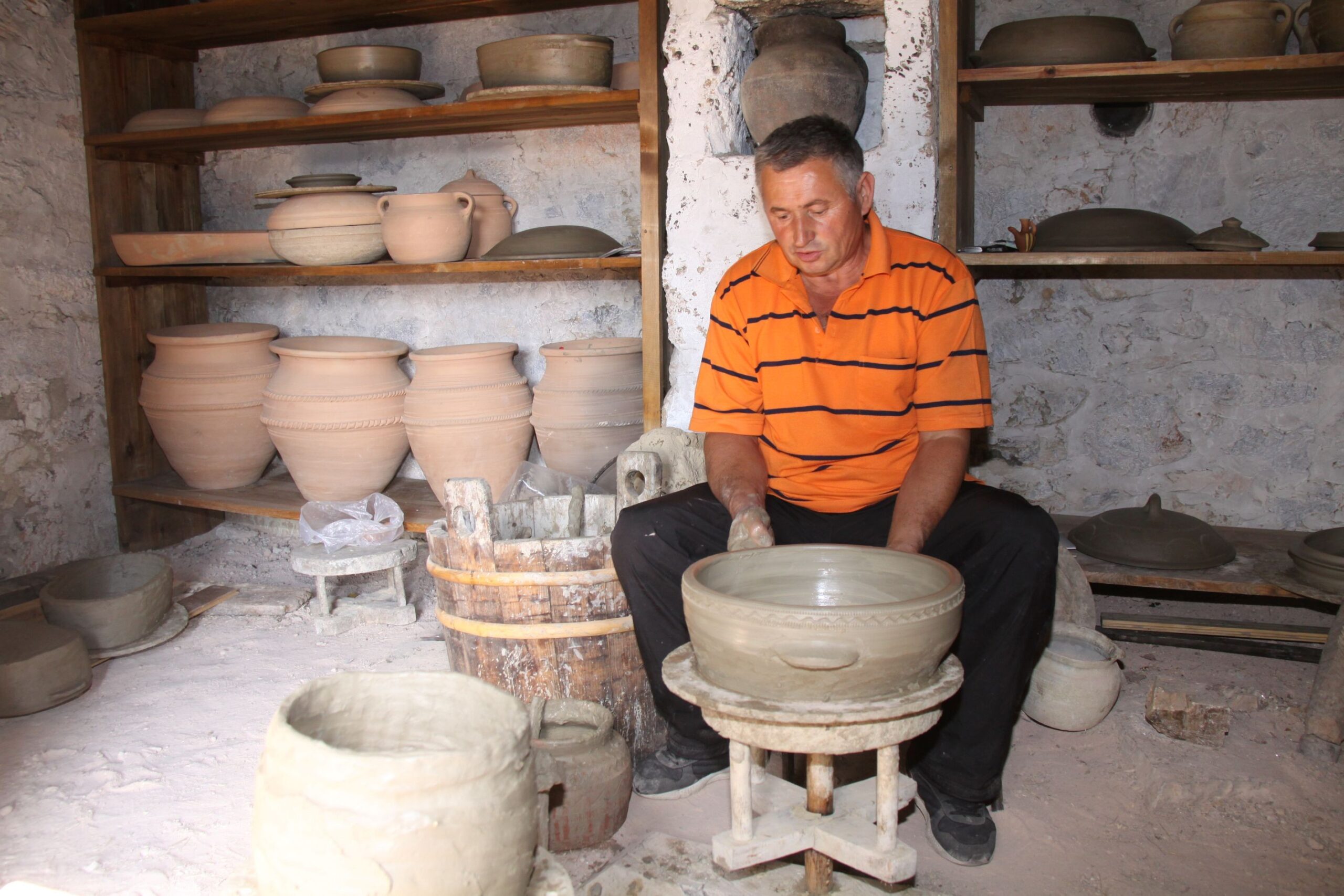
The Open-Air Museum “Staro Selo” excels in displaying handicraft heritage through an immersive and engaging approach that integrates traditional Serbian handicrafts, such as wool weaving, knitting, pottery, and woodcraft, within authentic historical environments. By situating artisans’ work in the context of traditional homes and communal spaces, the museum recreates the lived experience of regional traditional handicraft heritage. Its success is underpinned by legislative foundations, including adherence to Serbia’s cultural heritage laws and alignment with UNESCO’s Convention for the Safeguarding of Intangible Cultural Heritage, which emphasize the protection and promotion of non-material culture. Institutional support from networks like the Forum of Slavic Cultures and collaboration with the ICOM Association of European Open-Air Museums have further strengthened its mission. So the key elements of the museum’s success include partnerships with local artisans, educational workshops that allow visitors to engage with traditional handicrafts firsthand, and annual events like the Fair of Traditional Crafts and the Music Festival, which attract a diverse audience, locals and tourists alike. The best strategies have proven to be the presentation of handicrafts in an authentic, village-like setting with contextual displays of tools and household items, continuous community involvement that strengthens local support, and a diversified revenue model.